
Authentic French Croissant

About Recipe
The sound of that first, shattering bite into a warm French Croissant, with golden flakes falling everywhere and the rich aroma of butter filling the room, is pure magic. There is something deeply therapeutic about baking these at home; it transforms your kitchen into a rustic Parisian boulangerie. This recipe isn't just about mixing ingredients; it’s a rewarding labor of love that requires patience and a gentle touch to achieve those legendary, airy layers.
Success lies in using high-quality cold butter and a simple dough made of flour, sugar, dry yeast, and a pinch of salt. The real depth of flavor develops during the essential overnight proofing in the fridge, which allows the dough to mature perfectly. The true alchemy happens during the lamination process, where a cold butter square is enveloped in the dough and folded repeatedly to create hundreds of micro-layers that puff up beautifully under heat.
After cutting the dough into precise triangles and rolling them into their iconic shape, we apply a double coat of egg yolk for an irresistible golden sheen. Baking starts at a high 220°C to kickstart the rise, finishing at a lower temperature to ensure a crisp exterior and a tender, honeycomb-like interior. When you pull them out of the oven and see those distinct, airy pockets inside, you’ll realize the wait was worth every single second.
Instructions
Easy steps for an amazing result
Preparing the Dough
Mix lukewarm water with yeast and let it sit for 10 minutes.
Add flour, salt, sugar, and one tablespoon of butter to the yeast mixture.
Knead the ingredients well until a smooth ball forms. If the dough resists, cover and let it rest for 20 minutes, then finish kneading.
Let the dough proof at room temperature for 3 to 4 hours, then place it in the fridge to proof overnight.
Preparing Butter and Lamination
Place 200g of cold butter in a plastic bag and roll it out into an even square, then return it to the fridge.
Roll out the cold dough into a square slightly larger than the butter square, place the butter in the middle at an angle, then fold the dough over it like an envelope.
Roll out the dough with a rolling pin into a rectangle 50cm long and 25cm wide.
Fold three-quarters of the dough then the remaining part, then fold it in the middle again (double fold), wrap it, and let it rest in the fridge for an hour.
Repeat the rolling process to the same dimensions, then do a triple fold (letter fold) and return it to the fridge for another hour.
Shaping and Baking
Roll out the dough for the last time and cut it into triangles with a 12cm base and 25cm height using a ruler.
Roll the triangles from the base to the tip and place them on a baking sheet lined with parchment paper.
Brush the croissants with egg yolk and let them proof again until doubled in size.
Brush with egg yolk a second time, then bake in a preheated oven at 220°C for 10 minutes.
Reduce the heat and bake for another 10 to 15 minutes until it achieves a deep golden color.
Chef Secrets
Simple tricks to make your dish special
Ensure the dough and butter stay cold at all times; if you feel they are starting to warm up, return them to the fridge immediately.
Successful croissants should be hollow inside and look like a honeycomb when cut.
Serve warm with a cup of coffee or tea.
Serving Suggestions
A final touch for a complete meal
Serve warm with a cup of coffee or tea.
Frequently asked questions
Practical answers on prep, storage, and substitutions
It is best to use a strong bread flour (high gluten content) so the dough can withstand the repeated rolling and folding without tearing, ensuring perfect layers.
Keywords
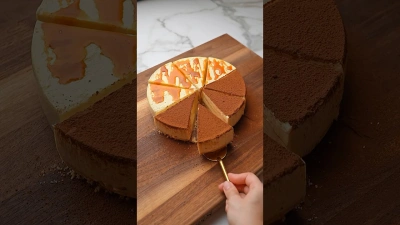
Cold French Chamois Cake
Delicious no-bake French Chamois Cake! A creamy, velvety dessert with a buttery biscuit base and rich caramel flavor. Quick, easy, and perfect for summer.

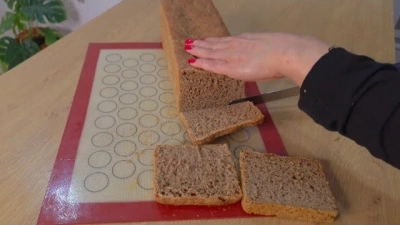
Healthy Whole Wheat Toast & Petit Pain
Homemade whole wheat toast and petit pain recipe with bran, following the. Healthy, economical, dairy-free, and easy to bake.

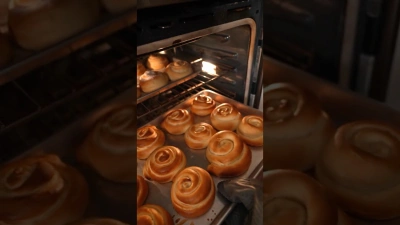
Magic Dough Brioche (Manjakouna)
Learn to make fluffy Egyptian Brioche (Manjakouna) with a magic dough. An easy, economical recipe for light, cloud-like pastries.
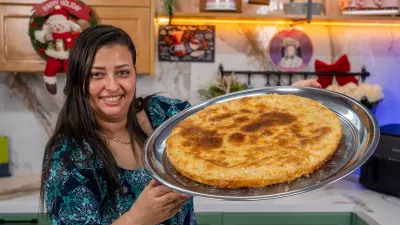
Jumbo Stuffed Feteer Meshaltet
Bake a pro-level Jumbo Stuffed Feteer Meshaltet at home. Golden, crispy Egyptian pastry filled with pastrami and melted cheese. A savory family favorite!

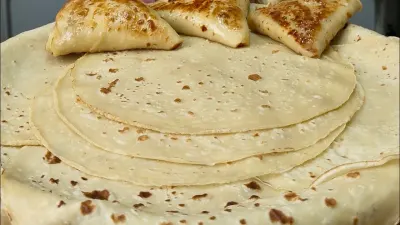
Successful and Economical Homemade Crepe
Make perfect, elastic homemade crepes that never tear! This easy Egyptian-style recipe is better than takeout, budget-friendly, and great for freezing. Try it now!


Authentic Egyptian Qors Fallahi
Master the art of Egyptian Qors Fallahi! Soft village pies made with rich cream and butter. Try them plain or stuffed with dates for a perfect, nostalgic breakfast.

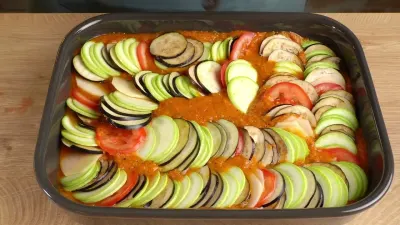
Ratatouille (Classic French Roasted Vegetables)
Master the art of Ratatouille with a smoky roasted pepper sauce. A healthy, vibrant vegetable dish inspired by the famous movie. Easy to make and packed with flavor!