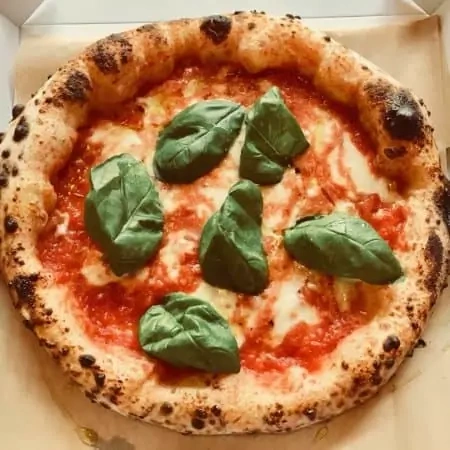
Authentic Neapolitan Italian Pizza

About Recipe
The feel of the soft dough under my hands and the aroma that fills the house as the oven hits its peak temperature represent the essence of Authentic Neapolitan Pizza. Pizza is far more than a quick meal; it's an art form showcasing Italian culinary genius, transforming simple flour, water, and yeast into a bite that lingers on your palate. The secret lies in technique and the patience for cold fermentation, which yields a light, airy crust with a complex flavor profile that quick doughs simply cannot match.
In this guide, we walk through every detail to achieve professional results in a standard home oven. We utilize a 60% hydration ratio—the golden standard that provides the perfect chew and elasticity characteristic of Italian crusts while remaining manageable for beginners. The tomato sauce is elegantly simple, highlighting the natural sweetness of the tomatoes paired with fresh basil, garlic, and extra virgin olive oil. A tiny touch of anchovy can even elevate the sauce with a deep umami finish.
Whether you crave a classic Margherita or wish to experiment with toppings, the foundation is always a perfect dough. No expensive equipment is required; a pizza steel or an inverted tray will do, provided the heat is maximized. This experience will redefine your pizza expectations, especially when you taste that first bite of charred crust and melted fresh mozzarella.
Instructions
Easy steps for an amazing result
Dough Preparation
In a mixing bowl or stand mixer, combine lukewarm water with yeast and sugar, stirring until dissolved.
Add the flour and salt, then begin kneading by hand or with a mixer. If by hand, knead for about 10 minutes until the dough is smooth and elastic.
Shape the dough into a ball and place it in a lightly oiled bowl. Cover and let it rise (first proof) in a warm spot for 1-2 hours until doubled in size.
After the first rise, divide the dough into balls weighing about 200g each. Place them on a tray and cover tightly with plastic wrap.
Place the dough balls in the fridge for cold fermentation for 1 to 7 days. This develops the professional flavor (remove 3 hours before baking to reach room temp).
Sauce Preparation
In a pan over low heat, add olive oil, the anchovy (optional), and sliced garlic until fragrant, ensuring they don't burn.
Add the pureed tomatoes, salt, pepper, and fresh basil. Simmer briefly until slightly thickened, then let it cool.
Shaping and Baking
Preheat your oven to its maximum temperature (290-300°C) with a pizza stone or inverted aluminum tray inside for at least an hour.
Stretch the dough ball by hand (avoid a rolling pin) from the center outwards, keeping the middle thin and the edges slightly thicker.
Spread the sauce, add sliced mozzarella, and fresh basil. Place the pizza on parchment paper for easy transfer to the oven.
Bake on the hot stone for 3-5 minutes until the edges are charred/browned and the cheese is bubbly and melted.
Chef Secrets
Simple tricks to make your dish special
Preheat the oven for a full hour at maximum temperature; heat is the most critical factor for success.
Never use a rolling pin; stretch by hand to preserve the air bubbles inside the dough for a light crust.
If kneading by hand, continue until the surface is completely smooth and gluten is properly developed.
Use semolina flour under the dough while stretching to prevent sticking and add a nice crunch.
Take the dough out of the fridge 3 hours before baking so it relaxes and stretches easily without shrinking.
Don't overload the pizza with tomato sauce to prevent the dough from getting soggy in the oven.
Serve piping hot with a drizzle of fresh olive oil and fresh basil leaves on top.
Add a sprinkle of grated Parmesan cheese after baking to enhance the flavor.
Serving Suggestions
A final touch for a complete meal
Serve piping hot with a drizzle of fresh olive oil and fresh basil leaves on top.
Add a sprinkle of grated Parmesan cheese after baking to enhance the flavor.
Frequently asked questions
Practical answers on prep, storage, and substitutions
You can, but it's better to use high-protein flour (like bread flour) to achieve the authentic chewy texture of Italian pizza.
Keywords
Stuffed Burger with Japanese Tangzhong Dough
Discover how to make the ultimate Stuffed Burger using the Japanese Tangzhong technique for the fluffiest homemade buns.

Texas Style Barbecue Cheeseburger
Authentic Texas Barbecue Cheeseburger recipe with chipotle BBQ sauce, pepper jack cheese, and tips for juicy, perfectly grilled patties every time.

Authentic Egyptian Koshari with All the Secrets
Learn how to make authentic Egyptian Koshari with crispy onions, savory tomato sauce, garlic vinegar Daqqa, and spicy oil like a pro.

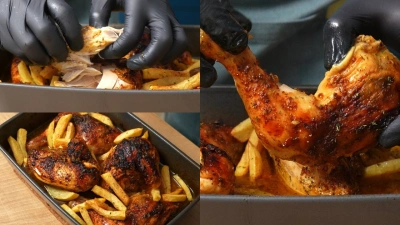
Classic Egyptian Roasted Chicken Tray
Master the Egyptian roasted chicken tray with a potent marinade and crispy skin. Discover the secret to the perfect savory sauce and juicy, butter-soft chicken.

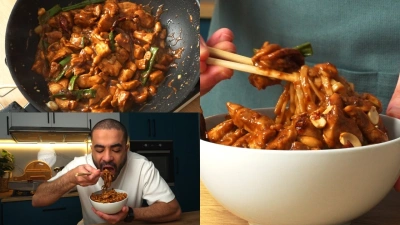
Chinese Compound Chicken (Kung Pao)
Make authentic Kung Pao Chicken at home! Succulent chicken glazed in a sticky, savory-sweet sauce with crunchy peanuts and a kick of heat. A quick, restaurant-quality mea
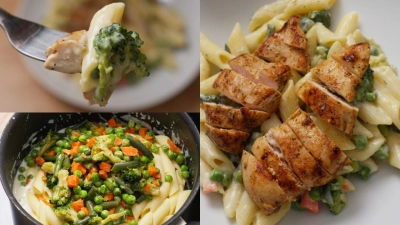
Healthy One-Pot White Sauce Pasta with Chicken and Vegetables
Healthy one-pot white sauce pasta with chicken and vegetables. A creamy, guilt-free meal ready in 30 minutes. Perfect for a quick, delicious, and nutritious dinner.
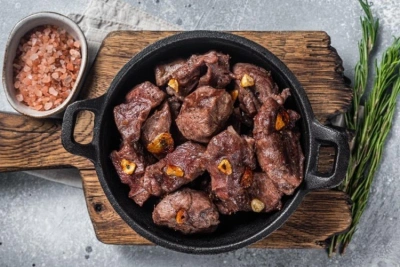
Authentic Kebab El Halla and White Rice with Mastic and Cardamom
Master the authentic Egyptian Kebab El Halla: tender beef in a rich caramelized onion sauce. Served with aromatic mastic and cardamom rice for a perfect meal.
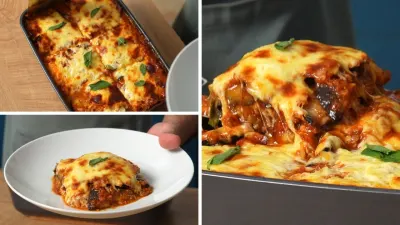
Healthy Eggplant Parmigiana with Meat
Enjoy a healthy Eggplant Parmigiana with minced meat! This light Italian dish is roasted, not fried, offering a delicious, guilt-free twist on traditional Moussaka.