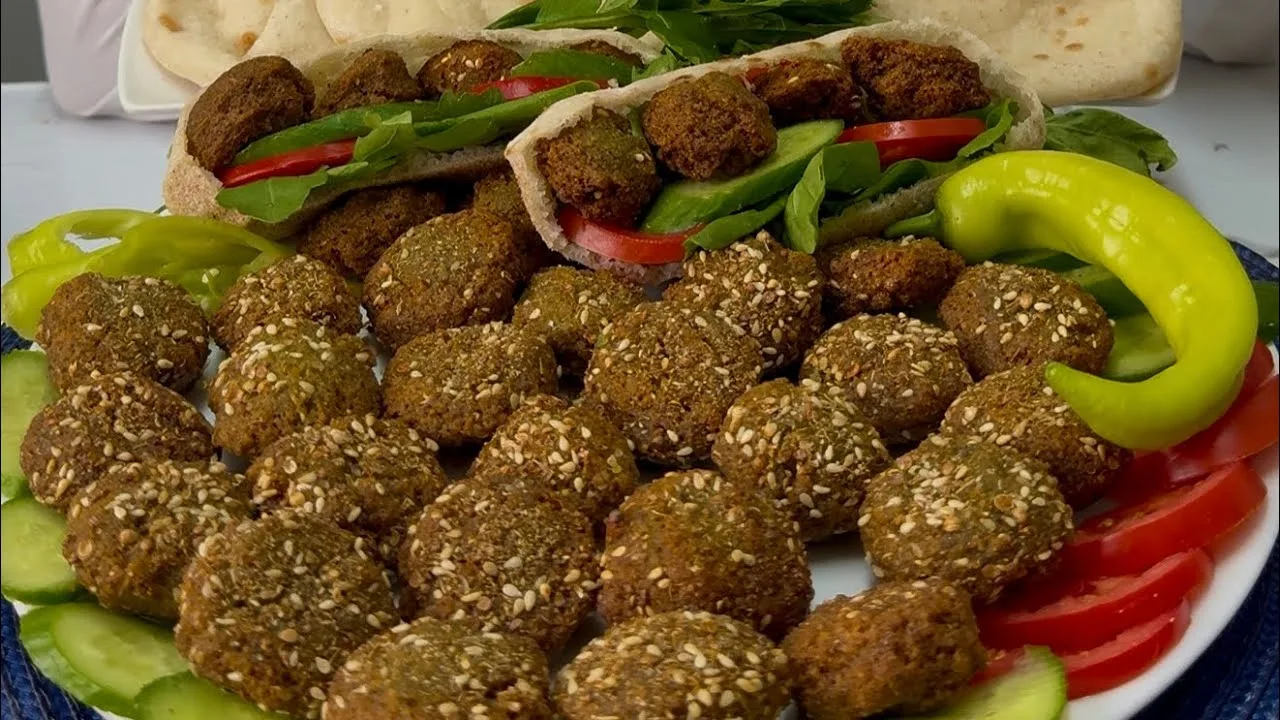
Crispy and Fluffy Egyptian Ta'ameya (Falafel)

About Recipe
The sound of that first golden crunch on a Friday morning, followed by a cloud of steam and the unmistakable aroma of fresh herbs, is the true heartbeat of an Egyptian kitchen. Tameya, the beloved Egyptian falafel, isn't just breakfast; it is a sensory memory of bustling streets and shared family tables. This recipe achieves that elusive "restaurant-style" texture—unbelievably light, airy, and crisp—without using a single pinch of baking powder or baking soda, ensuring every bite is light on the stomach.
Everything starts with half a kilogram of split fava beans (fol madshoush), soaked until tender and pulsed in a processor with the perfect balance of fresh leek (kurrat), green coriander, garlic, and a hint of onion. The real secret lies in the technique: whipping the batter with an electric mixer while gradually adding three precise tablespoons of water. This process incorporates air, making the center soft and puffy while the outside remains structurally sound for the deep fry.
Before hitting the hot oil, each patty is coated in a fragrant mix of roasted sesame, crushed dry coriander, and the secret weapon—ground fennel (shamar)—which creates an incredible depth of flavor. Served tucked inside warm baladi bread with fresh arugula, juicy tomatoes, and a drizzle of nutty tahini, this homemade tameya is a celebration of texture and tradition that will make you forget the store-bought version forever.
Instructions
Easy steps for an amazing result
Preparing the Dough
Soak the split fava beans for 6 hours, changing the water twice, then drain completely and dry.
In a food processor, combine onion, garlic, fresh coriander, leek, salt, dry coriander, and cumin; process until well blended.
Gradually add the split fava beans to the processor and grind until the mixture is completely smooth.
Transfer the dough to a deep bowl and whip with an electric mixer for 5 minutes until the color lightens and it becomes airy and fluffy.
Add 3 tablespoons of water gradually (one by one) while continuing to whip to increase fluffiness.
Coating and Frying
To prepare the coating, mix 3 tablespoons of crushed dry coriander, 3 tablespoons of toasted sesame, and 1 tablespoon of ground fennel.
Shape the ta'ameya dough using a scoop or spoon without pressing down to maintain the air inside.
Lightly dip the surface of the ta'ameya into the sesame and coriander mixture.
Fry the ta'ameya in deep, very hot oil until puffed up and golden brown on both sides.
Chef Secrets
Simple tricks to make your dish special
The secret to fluffiness lies in whipping the dough with a mixer to incorporate as much air as possible.
Do not overdo the amount of greens so the ta'ameya doesn't turn dark during frying.
The dough can be stored in the freezer and used as needed.
Serve hot with pita bread, arugula, tomatoes, cucumbers, and green onions.
Tahini sauce can be added to enhance the flavor.
Serving Suggestions
A final touch for a complete meal
Serve it as part of an authentic Egyptian breakfast spread with fava beans in spicy oil, boiled eggs, fries, and naturally, warm Baladi bread fresh from the oven.
Create the ultimate sandwich in pita bread with sliced tomatoes, cucumbers, fresh arugula, a drizzle of thick tahini, and a dash of chili for heat lovers.
Arrange them on a stylish platter with pickled turnips and spiced pickled eggplants, garnished with fresh coriander leaves and lemon slices.
The perfect finish to this hearty Ta'ameya meal is a hot cup of Egyptian mint tea to aid digestion and refresh your palate.
Frequently asked questions
Practical answers on prep, storage, and substitutions
Over-soaking makes the falafel absorb too much oil and fall apart while frying. Six hours is enough to soften the beans for grinding while maintaining the perfect texture.
Keywords
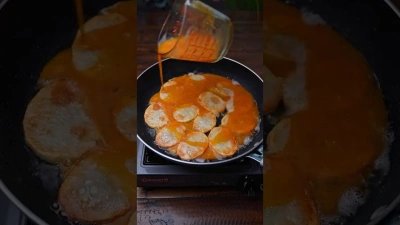
Crispy Potato and Egg Omelet with Cheese
Make a crispy potato and egg omelet with melted mozzarella in one pan. A quick, nutritious, and satisfying breakfast or dinner in under 30 minutes.

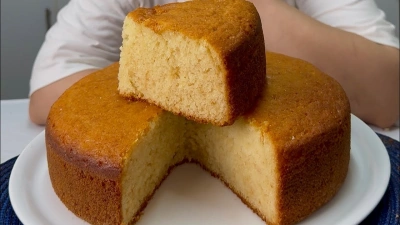
Spongy Yogurt Cake (Naiti Style)
Fluffy and airy Yogurt Sponge Cake that tastes just like the classic Naiti! Master this foolproof recipe for a high-rising, soft cake perfect for your daily tea time.
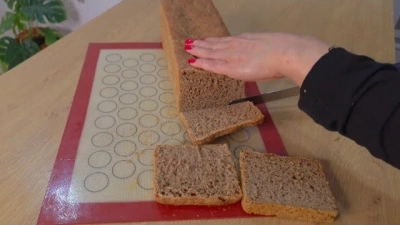
Healthy Whole Wheat Toast & Petit Pain
Homemade whole wheat toast and petit pain recipe with bran, following the. Healthy, economical, dairy-free, and easy to bake.

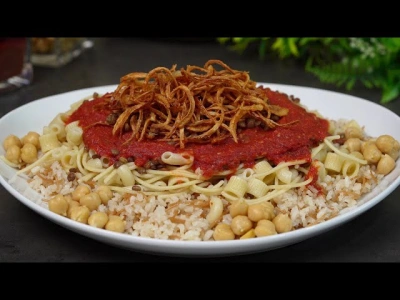
Authentic Egyptian Koshari with All the Secrets
Learn how to make authentic Egyptian Koshari with crispy onions, savory tomato sauce, garlic vinegar Daqqa, and spicy oil like a pro.


Magic Dough Brioche (Manjakouna)
Learn to make fluffy Egyptian Brioche (Manjakouna) with a magic dough. An easy, economical recipe for light, cloud-like pastries.
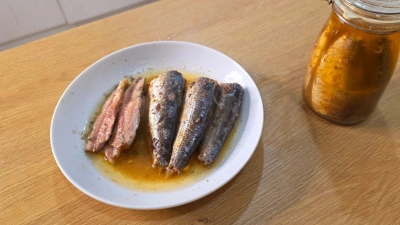
Gourmet Homemade Canned Sardines
Learn how to make professional homemade canned sardines. Tender, flavorful fish preserved in oil and garlic. A cost-effective, healthy, and preservative-free recipe.
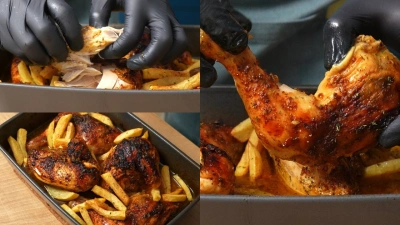
Classic Egyptian Roasted Chicken Tray
Master the Egyptian roasted chicken tray with a potent marinade and crispy skin. Discover the secret to the perfect savory sauce and juicy, butter-soft chicken.

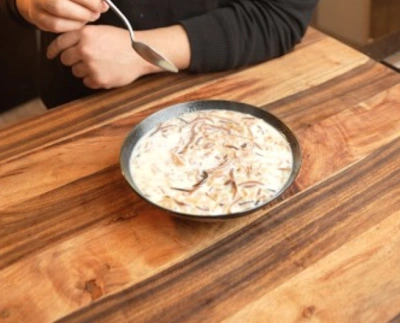
Traditional Upper Egyptian Vermicelli with Ghee and Milk
Warm up with traditional Upper Egyptian Vermicelli. A handcrafted 10-minute dessert with ghee and milk that brings authentic Egyptian comfort to your table.