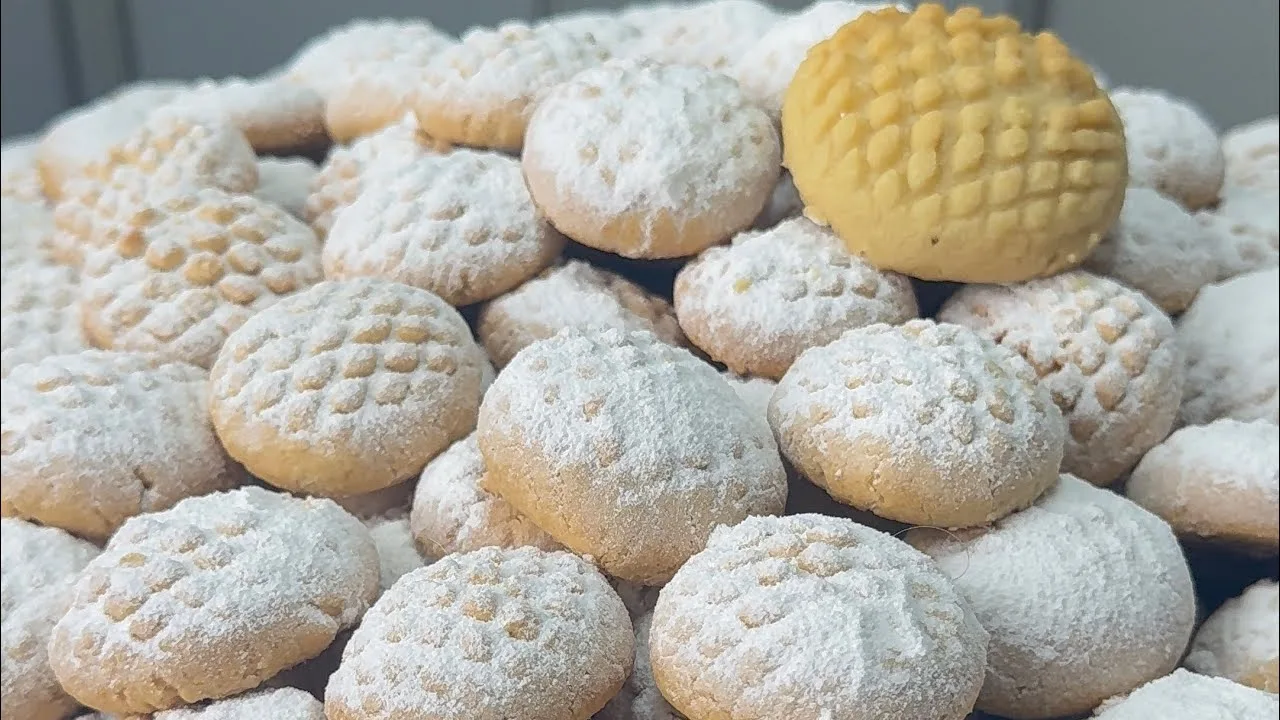
Eid Kahk (Melt-in-your-mouth Egyptian Cookies)

About Recipe
The crackle of sizzling hot ghee hitting fine flour and toasted sesame seeds is the ultimate sensory herald of Eid. It is a fragrance that carries decades of memories, of grandmothers gathered in kitchens and the rhythmic sound of wooden molds hitting the table. This traditional Egyptian Kahk recipe is designed to be ultra-soft (dayeb), dissolving effortlessly on the tongue while maintaining a beautifully sharp pattern. We start with a kilogram of premium flour, enhanced with powdered milk, sugar, and the essential aromatic Kahk spices. The "hot ghee method" is used here, ensuring each cookie stays fresh and flavorful for as long as possible.
The absolute secret to professional-grade Kahk lies in the "Bassin"—the process of rubbing the flour and fat between your palms for fifteen full minutes until it transforms into a velvety, cream-like paste. Only then do we introduce the yeast mixed with water, gently folding the dough to avoid over-kneading. Whether you choose to stuff them with Malban (Turkish delight) or rich date paste, ensure the fillings are small to prevent cracking. Stuffed cookies are baked at 200°C to keep the center soft, while plain ones bake at 180°C until they achieve a delicate golden hue. Once cooled and dusted with powdered sugar, these gems offer a buttery, nutty experience that far surpasses any store-bought luxury, turning a simple recipe into a cherished family heirloom.
Instructions
Easy steps for an amazing result
Dough Preparation
In a large bowl, mix flour with salt, powdered sugar, powdered milk, baking powder, and Kahk spices well.
Create a well in the center of the dry ingredients and place the toasted sesame seeds inside.
Heat the ghee in a pot until very hot (smoking), then pour it directly over the sesame and flour.
Stir with a wooden spoon initially as the mixture is very hot. Once it cools slightly, start the 'bassing' process (rubbing between palms) for at least 15 minutes until the dough becomes creamy and smooth.
Dissolve yeast and sugar in 3/4 cup of lukewarm water and let it react.
Add the yeast mixture to the dough and fold/mix without kneading until the dough absorbs the liquids and becomes soft and non-sticky.
Let the dough rest for 10 minutes before shaping.
Shaping and Stuffing
Take a small piece of dough (approx 30-35g), roll it into a ball, make an indentation in the center, and place a piece of Malban or date paste.
Seal the dough well around the filling, roll it again, and press with a cookie stamp to create the pattern.
Arrange the Kahk on an ungreased baking tray.
Baking
Preheat the oven; bake stuffed Kahk at 200°C and plain Kahk at 180°C.
Place the tray on the middle rack for 15 to 18 minutes until the bottom turns lightly golden.
Optionally turn on the broiler for the last 2 minutes for a light golden top.
Let the Kahk cool completely, then dust with powdered sugar before serving.
Chef Secrets
Simple tricks to make your dish special
The most important step for success is 'bassing' (rubbing) the flour with hot ghee thoroughly for at least 15 minutes.
Do not over-knead the dough after adding liquids to prevent it from becoming tough.
If the dough cracks when pressed, add a tablespoon of ghee and gather the dough again.
Serve with plain tea or tea with milk.
Serving Suggestions
A final touch for a complete meal
Serve with a hot cup of Egyptian tea with milk on Eid morning; it is the most traditional and perfect way to enjoy the melt-in-your-mouth texture.
Arrange the Kahk on large platters, alternating between the Malban and date-filled varieties. Dust the powdered sugar through a fine sieve right before serving for a fresh, snowy look.
You can serve it with a side bowl of roasted nuts like almonds and walnuts, or with a cup of black coffee to balance out the sweetness of the powdered sugar.
For a modern presentation, place the cookies in elegant, colorful tin boxes with parchment paper between layers, and garnish the plate with dried rose petals for an aesthetic touch.
Frequently asked questions
Practical answers on prep, storage, and substitutions
Water gives Kahk a much longer shelf life compared to milk, which can make it spoil faster. This is better if you are making large quantities.
Keywords
Creamy Layali Lubnan
Learn how to make authentic Creamy Layali Lubnan with semolina and cream. A light, refreshing Middle Eastern cold dessert perfect for gatherings.

Spongy Yogurt Cake (Naiti Style)
Fluffy and airy Yogurt Sponge Cake that tastes just like the classic Naiti! Master this foolproof recipe for a high-rising, soft cake perfect for your daily tea time.
Cold French Chamois Cake
Delicious no-bake French Chamois Cake! A creamy, velvety dessert with a buttery biscuit base and rich caramel flavor. Quick, easy, and perfect for summer.
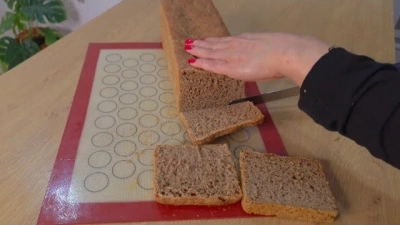
Healthy Whole Wheat Toast & Petit Pain
Homemade whole wheat toast and petit pain recipe with bran, following the. Healthy, economical, dairy-free, and easy to bake.

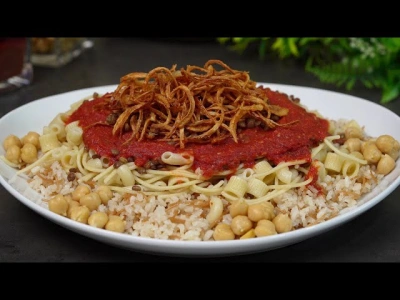
Authentic Egyptian Koshari with All the Secrets
Learn how to make authentic Egyptian Koshari with crispy onions, savory tomato sauce, garlic vinegar Daqqa, and spicy oil like a pro.
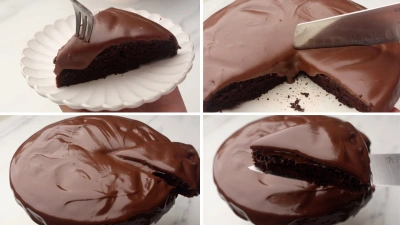
Rich Chocolate Fudge Cake
Make a rich, moist chocolate fudge cake with a silky ganache. An easy, one-egg recipe featuring deep cocoa flavor and a decadent, fudgy texture.

Magic Dough Brioche (Manjakouna)
Learn to make fluffy Egyptian Brioche (Manjakouna) with a magic dough. An easy, economical recipe for light, cloud-like pastries.
Gourmet Homemade Canned Sardines
Learn how to make professional homemade canned sardines. Tender, flavorful fish preserved in oil and garlic. A cost-effective, healthy, and preservative-free recipe.